Introduction to DIY Auto Repairs
Welcome to the world of DIY auto repairs! For homeowners in Sanger, Texas, knowing how to perform some basic car maintenance tasks can save you both time and money. Whether you're looking to fix minor issues or simply want to understand your vehicle better, this guide will walk you through several beginner-friendly auto repair tasks you can tackle at home.
Essential Tools Needed
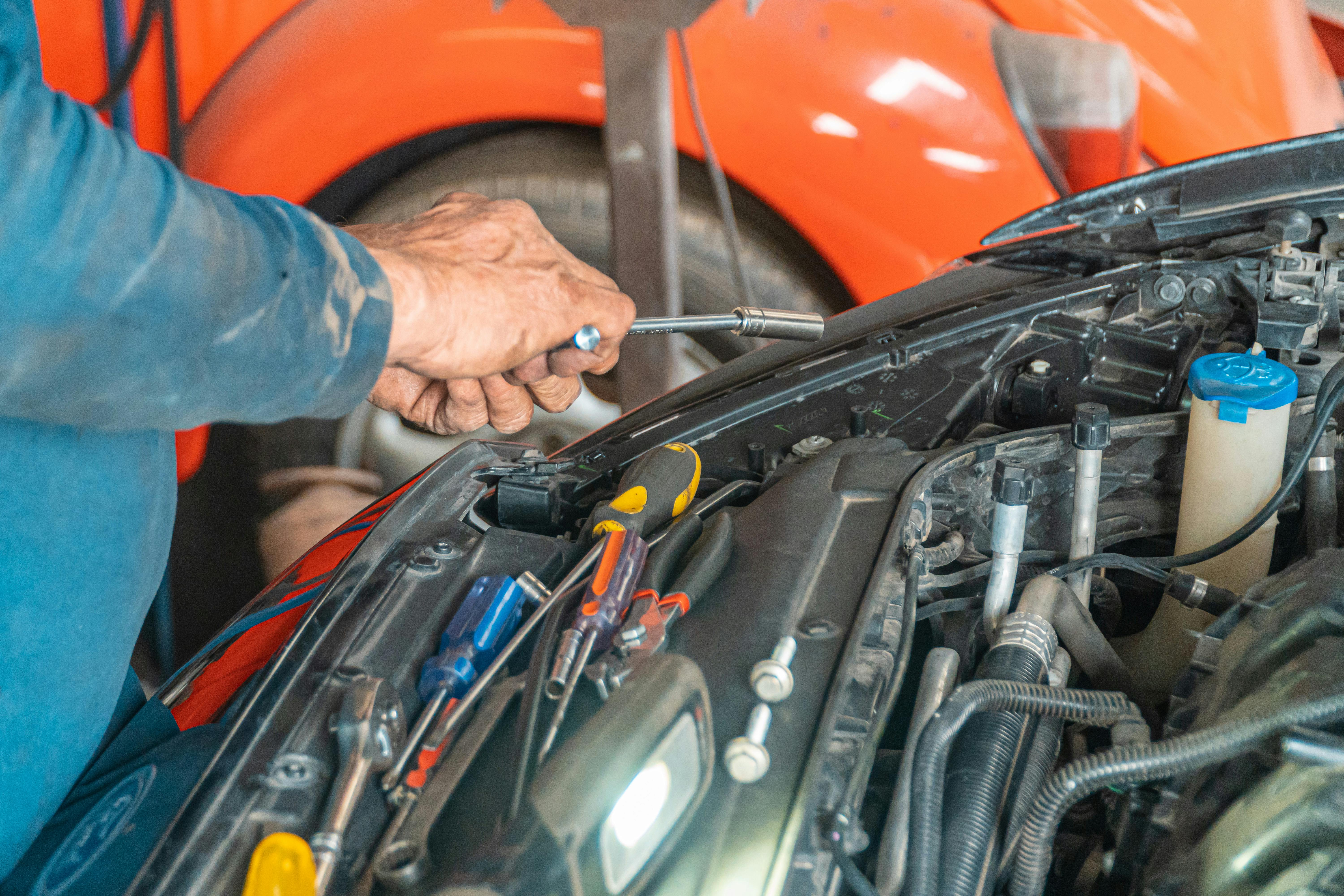
Before you start, it’s crucial to have the right tools on hand. Here are some basic tools that every car owner should consider having:
- Socket set: A versatile tool for various bolt and nut sizes.
- Wrench set: For tightening and loosening bolts.
- Screwdrivers: Both flat-head and Phillips for different screws.
- Jack and jack stands: To safely elevate the car when needed.
- Oil filter wrench: Specifically designed for easily changing oil filters.
- Tire pressure gauge: To monitor and maintain proper tire pressure.
Changing Your Car's Oil
One of the most frequent maintenance tasks is changing your car's oil. Follow these steps to complete the task at home:
Step 1: Gather Your Supplies
You'll need new oil, an oil filter, a wrench (specifically an oil filter wrench), a funnel, and a container to catch old oil.
Step 2: Prepare Your Vehicle
Ensure your car is on a level surface. Use a jack to lift the car and secure it with jack stands.
Step 3: Drain Old Oil
Place the oil catch container under the oil pan. Use the wrench to remove the oil drain plug, allowing the oil to fully drain.
Step 4: Replace the Oil Filter
Use the oil filter wrench to remove the old oil filter. Lightly coat the rubber seal of the new oil filter with new oil and install it.
Step 5: Add New Oil
Replace the oil drain plug securely. Use the funnel to add new oil through the oil filler cap. Check the oil level with the dipstick and add more if necessary.
Rotating Your Tires
Tire rotation is crucial for even wear and extending the life of your tires. Here's how you can do it:
Step 1: Loosen the Lug Nuts
While the car is still on the ground, slightly loosen the lug nuts on all four tires.
Step 2: Elevate the Vehicle
Use a jack to lift the car and place it securely on jack stands.
Step 3: Swap the Tires
Move the tires to their new positions (e.g., front tires to the back and vice-versa), making sure to adhere to your vehicle's specific rotation pattern.
Step 4: Tighten the Lug Nuts
Reattach the lug nuts, tightening them securely in a star pattern to ensure even distribution of pressure.
Replacing Wiper Blades
Good visibility is critical for safe driving, and this quick fix is one of the simplest:
Step 1: Purchase New Blades
Check your car's manual for the correct wiper blade size and purchase the appropriate replacements.
Step 2: Remove Old Blades
Lift the wiper arm and remove the old blade by pressing the small tab underneath the wiper and sliding it off.
Step 3: Install New Blades
Slide the new blade onto the wiper arm until it clicks into place. Lower the arm back onto the windshield.
Conclusion: When to Seek Professional Help
While these tasks are perfect for beginners, some repairs are best left to professionals, especially if you're unsure about the issue or lack the necessary tools. At Sanger Hail Repair, we're here to assist with any complex repairs or questions you might have. Contact us today for expert advice and services tailored to your needs.